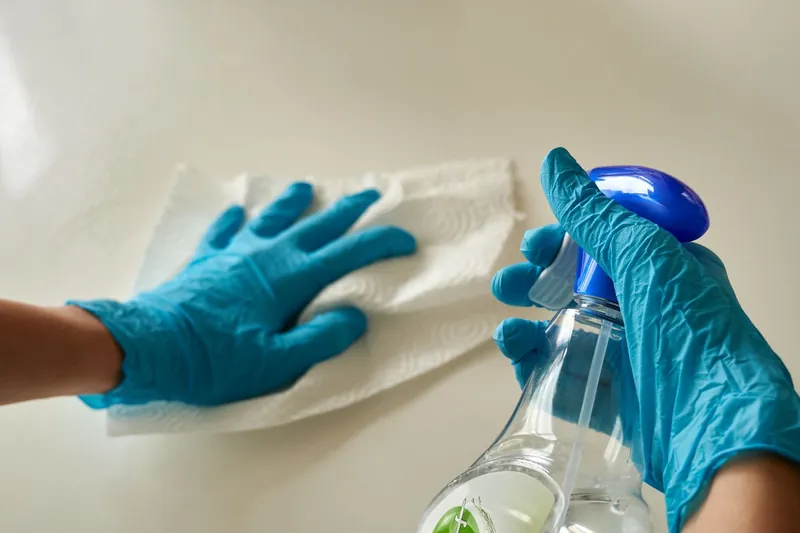
Blood Cleanup
Blood cleanup clears blood from furniture, walls, hard floors and carpet, followed by safe disposal.
See blood cleanupGet blood and bodily fluids removed from carpet, rugs and upholstered furniture in Carol Heights. Each layer is checked, and affected material is cleaned, disinfected or removed according to its condition.
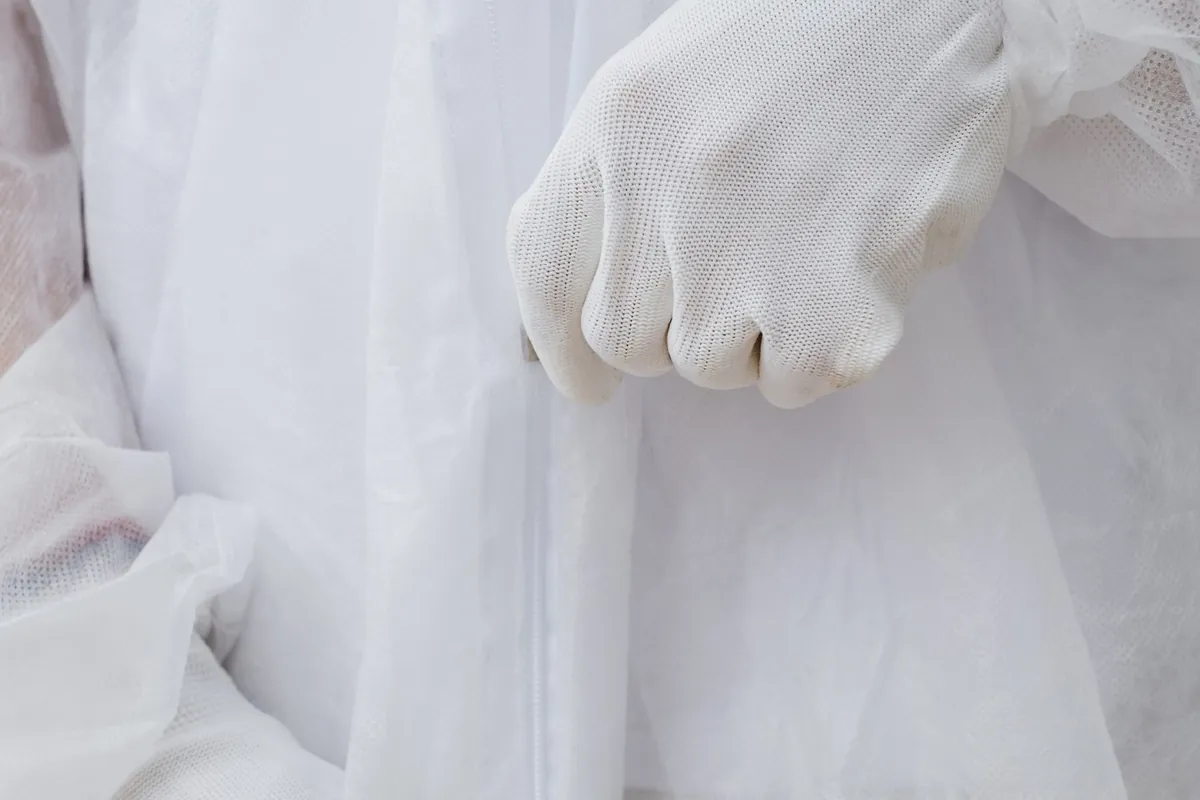
Biohazard cleaning for upholstery and carpet addresses biological contamination both on soft surfaces and underneath them. Materials are disinfected if treatment is safe, or removed if they cannot be treated safely.
Dirt removal and better appearance are the aims of ordinary carpet cleaning. A biohazard cleanup instead examines every affected part, from surface fibers to backing, pad, tack strips and subfloor, plus upholstery seams and cushion foam. Because urine, blood, vomit, feces and other bodily fluids may penetrate the visible surface, technicians inspect hidden layers to decide which materials can remain.
Some recent, limited contamination may be cleanable when it remains accessible and the surface can tolerate the required treatment. Deeply soaked padding, foam or unfinished wood often cannot be fully reached with a cleaning machine. Those contaminated materials are removed, packaged and sent for waste disposal under the rules that apply to the job.
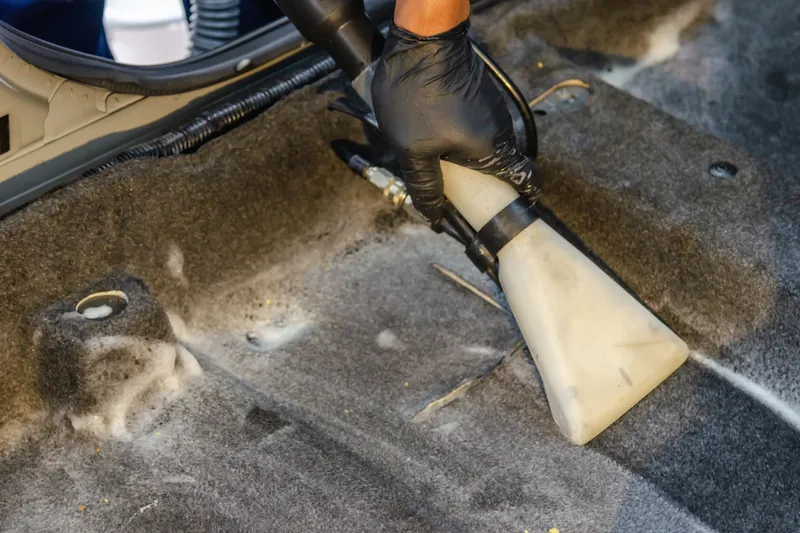
You should be part of the discussion about keepsakes and useful items. Cleanup crews need to discuss treatment limits with you before placing a valued piece of furniture or rug in hazardous waste.
You can reach someone during the day or at night, and cleanup crews arrive in unmarked vehicles. Ask what steps will protect privacy around the entrance and route used for work.
You deserve an explanation of the inspected layers, items suitable for cleaning and any need to remove pad, furniture foam or floor material before proceeding.
Your discussions with insurance companies and restoration services can use photographs, affected-property inventories and documentation covering the entire process.
When ordinary cleaning cannot safely address biological material on upholstery, carpet or another soft surface, biohazard carpet cleaning may be necessary. Situations commonly include:
Rental carpet or a rental sofa or chair may require photographs and an item log, plus a cleaning or removal determination shared with the insurance company and property owner.
Professional cleanup allows loved ones to avoid a challenging task, while less foot traffic reduces the chance of moving contamination to surrounding areas.
Blood can travel through fabric into batting, foam, seams and the furniture frame. Inspection shows whether the affected parts are accessible for treatment.
If affected layers cannot be disinfected, the rug may have to be removed instead of undergoing controlled cleaning and treatment of the floor below.
Keep everyone away from the affected carpet or furniture and leave the material in place. These first steps reduce spread while you arrange a cleanup service:
Call (888) 440-9227Published guides contain no dedicated range for carpet work. General biohazard figures place residential work between $1,800 and $4,500 while most residential projects fall within $2,500 to $8,000 based on the guides. A typical national range runs from $3,000 to $5,000 and the overall published span runs from $1,500 to $25,000. They are comparisons rather than prices for carpet cleaning. Inspection findings and affected layers determine your cost.
Published national cost guides are the source for these ranges, rather than an inspection of your property. An on-site assessment determines your property's price, which is explained to you before the cleanup starts.
Ask about cost: (888) 440-9227Insurance for a home, rental, business or vehicle may cover biohazard cleanup of upholstery and carpet when a covered event caused the contamination. Whether the claim is paid depends on its circumstances, your deductible and the policy language.
When speaking with the insurance company, describe what happened and which furnishings, rugs and carpeting were impacted. Your questions should cover cleaning, removal of affected items and subsequent restoration for floors or furnishings.
Ask what photos, item lists and cleanup records the adjuster needs. Save your claim number and wait for clear directions before disposing of affected personal property, except when keeping it would cause an immediate safety issue.
A property owner or manager may arrange the cleanup service in a rental. The party responsible for costs depends on policy coverage, lease terms and the reason the event occurred.
Homeowners or renters insurance, the estate or the property owner usually pays for this kind of cleanup. The Virginia crime victim compensation program helps only when a crime caused the loss.
The cleaning process follows a controlled order so technicians can find hidden contamination, protect surrounding areas and avoid treating material that should be removed. Every step depends on the fluid, depth and construction of the soft surface.
Carpet padding, backing and borders are inspected together with surrounding hard surfaces and visible contamination. Furniture is checked at its seams and beneath removable cushions prior to setting the scope.
The work zone is separated from clean space. Protective gear suited to the work is used, with a planned path for moving equipment and waste that has been sealed.
Methods designed to reduce splashes and airborne matter are used to remove solids and visible soil. Disinfectant application follows the initial cleaning step.
Inspecting the subfloor, tack strip, pad and carpet backing may require lifting an edge or section. The inspection extends to check how deeply accessible upholstery has been affected.
A method compatible with the specific fiber and contaminant is used on material suitable for cleaning. Deeply affected carpet, pad, foam or framing is removed when full treatment is not possible.
Disinfectant use is limited to products with EPA registration and label instructions that match the target organism and surface. Required wet contact time is followed.
Once affected material has been removed, the source of any lingering odor is located. HEPA-filtered air equipment may reduce particles through the removal and detailed cleaning stages.
The inspection includes treated materials, surrounding areas and the path used during work. You receive a record of what was cleaned, what was removed and what restoration work remains.
Call at any time. A specialist in biohazard carpet and upholstery cleaning takes your call, explains each step and agrees on a start time with you.
A clean-looking chair or carpet may still have bodily fluids and contaminated material beneath its fibers because soft surfaces can retain contamination in lower layers.
Liquid can pass through carpet backing into pad, tack strips, floor seams and unfinished subfloor. Surface shampoo may leave contaminated materials underneath.
When carpeting, upholstery or padding cannot be disinfected, applicable rules may require safe disposal and secure packaging. Loose material should not be dragged through clean rooms.
A rug, room or chair linked to an injury or loss can make cleanup emotionally challenging. A cleanup crew can perform the work, leaving you to care for yourself and your family.
Can you clean it yourself? A few drops on a removable, washable textile may be manageable if no sharp object is present and the care instructions allow safe treatment. Follow public health recommendations and protect your hands with gloves. Arrange professional biohazard cleanup if fluid entered fixed carpeting, pad, furniture foam or unsealed floors, or if you cannot determine the complete affected area.
Keeping a soft material is possible only if all contamination is accessible and the material withstands complete cleaning and disinfection. Layers with deep saturation must be taken out.
Timing varies with the amount of soft material involved, the distance fluid traveled into it and any need to remove padding, furniture or carpet. Only an inspection can establish a work schedule you can rely on.
| Scene | Typical time on site |
|---|---|
| Contamination limited to a single accessible material | Assessment, cleaning and required treatment may fit within one work period |
| Carpet plus padding or one upholstered item | Inspecting each layer and deciding which materials stay can add time |
| Several pieces of furniture, spaces or affected subfloor sections | Biohazard remediation and material removal might span several work periods before restoration begins |
Odor removal begins below the visible fibers. Fragrance and surface shampoo cannot correct contamination left in carpet padding, tack strips, upholstery foam or unfinished subfloor. The source must be located, then cleaned or removed before separate deodorizing equipment is considered.
HEPA air filtration may help control particles while affected materials are disturbed and removed. After source removal and disinfection, the cleanup team checks nearby surfaces and the air pathway. Ask what equipment will run, whether people and pets must leave the area and what conditions must be met before the room returns to use.
The full biohazard carpet and upholstery cleaning guide covers what is cleaned or removed, odor and air quality work, and the rules that apply in your state.
Read the full biohazard carpet and upholstery cleaning guideContainment, entry and cleanup plans can be influenced by local housing, population and access details.
The approximately 4.9 mile trip to LewisGale Medical Center matters when an injury must be assessed before anyone returns to the affected space.
Nearby communities include Intervale, Swarthmore Place, and Chatham Hill, useful geographic references when explaining a property location to a cleanup crew.
Because this is a neighborhood within Roanoke, cleanup access may depend on local parking, common entrances, or building management rules.
Ask on the call about cleanup options for neighboring communities and ZIP codes.
Blood cleanup clears blood from furniture, walls, hard floors and carpet, followed by safe disposal.
See blood cleanup
Blood spill cleanup for fresh or dried spills of any size.
See blood spill cleanup
Bodily fluid cleanup and disinfection for homes, care settings and businesses.
See bodily fluid cleanup
Human feces cleanup and disinfection in homes, rentals and public restrooms.
See human feces cleanup
Floors, underlying subfloors and furniture receive urine cleanup with odor removal.
See urine cleanup
Vomit cleanup and disinfection to stop norovirus and other germs from spreading.
See vomit cleanup
Contamination is cleared through biological remediation, returning the space to safe use.
See biohazard remediation
Death odor removal targets the source through ozone treatment, hydroxyl and air scrubbers.
See death odor removalA biohazard should never be cleaned with a rental extractor or household vacuum. Using the machine can drive liquid deeper into padding, release dried residue and contaminate the equipment's interior. Arrange an evaluation when fluid has penetrated below the surface or exceeds a few drops, while leaving carpeting untouched and keeping others out.
It can resolve odor after the source has been fully identified and treated. A smell may persist when bodily fluids remain within carpet pad, furniture foam, tack strips or the subfloor. Source removal comes first, followed by cleaning, disinfection and any suitable air quality or deodorizing work. Perfume alone cannot correct what is creating the odor.
Whether the loss is covered varies with its cause and the policy's terms, exclusions and deductible. When reporting the event, ask your insurance company specifically about restoration, removal of carpet or furniture, and biohazard cleanup. Your files should include the claim number, pictures, affected-item log and cleaning documentation required by the insurance company.
You should continue to regard dry blood as possibly infectious. According to the CDC, hepatitis B can remain viable on a surface for at least seven days. Do not brush, vacuum or walk across the area. Those actions may spread affected material and make the cleanup boundary larger.
Request details about how technicians examine the subfloor, pad, carpet backing, foam inside upholstery and adjacent surfaces. Find out what may require removal, how workers meet the disinfectant label's contact time, the way waste is packaged, which odor steps are included and what documentation you get for insurance or property records.
A carpet-specific figure is not available in published guides. Broad general biohazard cleanup comparisons appear in the cards on this page. Your final scope is shaped by the affected area's size, depth of impact, materials involved, waste needs and later restoration, making an on-site inspection necessary for pricing.
You can request respectful, discreet biohazard carpet and upholstery cleaning 24 hours a day, and crews use unmarked vehicles.